
Major Spotlight: Art History/Visual Arts
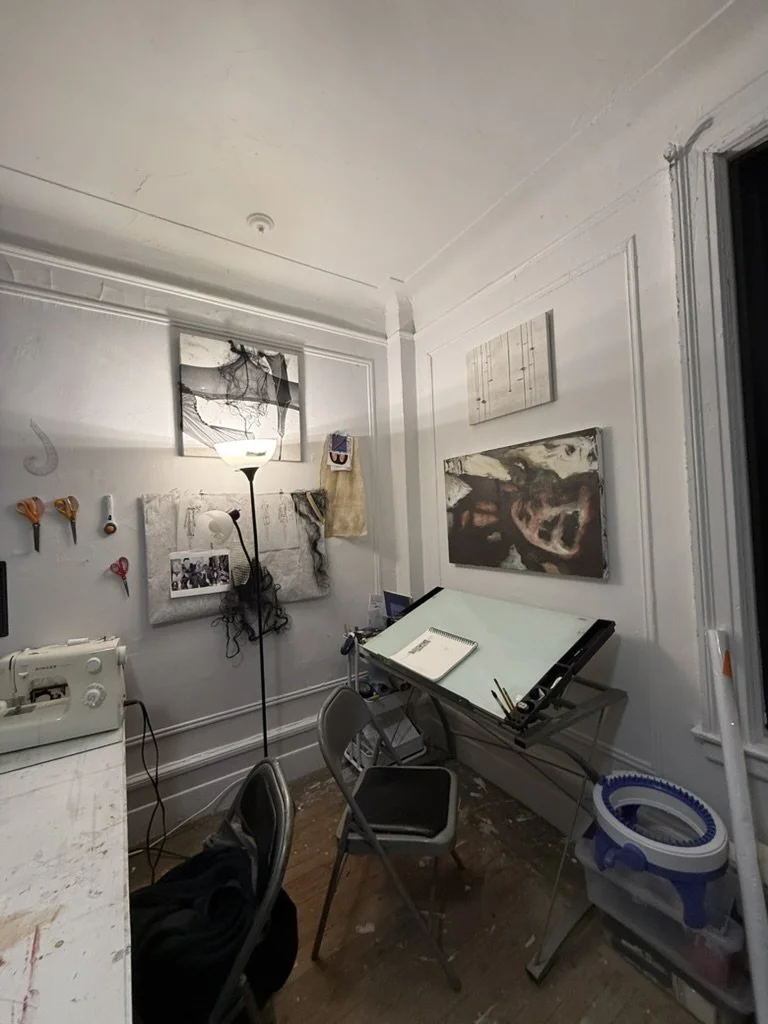
Growing up, I was always very involved in the arts! Over the years, I did film production, drawing and painting, theater, dance, digital art, music, photography, and more! I knew I didn’t want to go to college for art specifically, but I definitely wanted to end up somewhere where I could continue my passions in an interdisciplinary way. Coming into Barnard, I loved the idea of being able to double major in very different subjects (political science and art), but I didn’t know what that would look like yet. Visual Arts at Barnard is unique because not only is it a liberal arts degree (not a BFA), but it’s also a concentration within the larger Art History department, meaning students majoring in Art History/Visual Arts study Art History (AHIS), but with a focus on studio practice. I was definitely interested, but wasn’t initially sure about the Art History part. I had never taken an Art History class before, so I took Intro to Art History II to try it out, and luckily, I loved it. I declared pretty soon after that. I have loved my experience in a combined major because I get to take such a wide variety of classes, and everything is so flexible and interdisciplinary! Personally, I focus on photography, but since Visual Arts at Barnard doesn’t ever require you to choose a specific medium or practice, I’ve also taken classes about painting, architecture, and film!
What’s the department like?
There aren't a lot of visual arts majors; I’d guess the average is about 10 per year, but I’ve really enjoyed this because it means that studios are easy to get into (majors typically get enrollment priority) and we get a lot of individualized department support. While we have access to the Art History faculty, we also have the specialized Visual Arts faculty, who are simultaneously professors and practicing artists.
So what’s the difference in major requirements between Art History and Art History/Visual Arts?
As of spring 2026, there are a few differences, but there’s also some overlap. About half of the Visual Arts track consists of Art History classes, which include Intro I and II, one seminar, two electives, and one elective in 19th-, 20th-, or 21st-century art. Sometimes, classes in Architecture or Film Studies can count towards an AHIS major; typically, they’re cross-listed on the department sites, or you can check with your major advisor.
The second half of the major is specific to Visual Arts. All students in the concentration are required to take three studio elective courses of their choice, classes that can range in subject but ultimately focus on learning how to and making some sort of visual work rather than writing papers or taking exams. The last regular course requirement is Imagery and Form in the Arts, which is to be taken junior or senior spring.
What’s the thesis like?
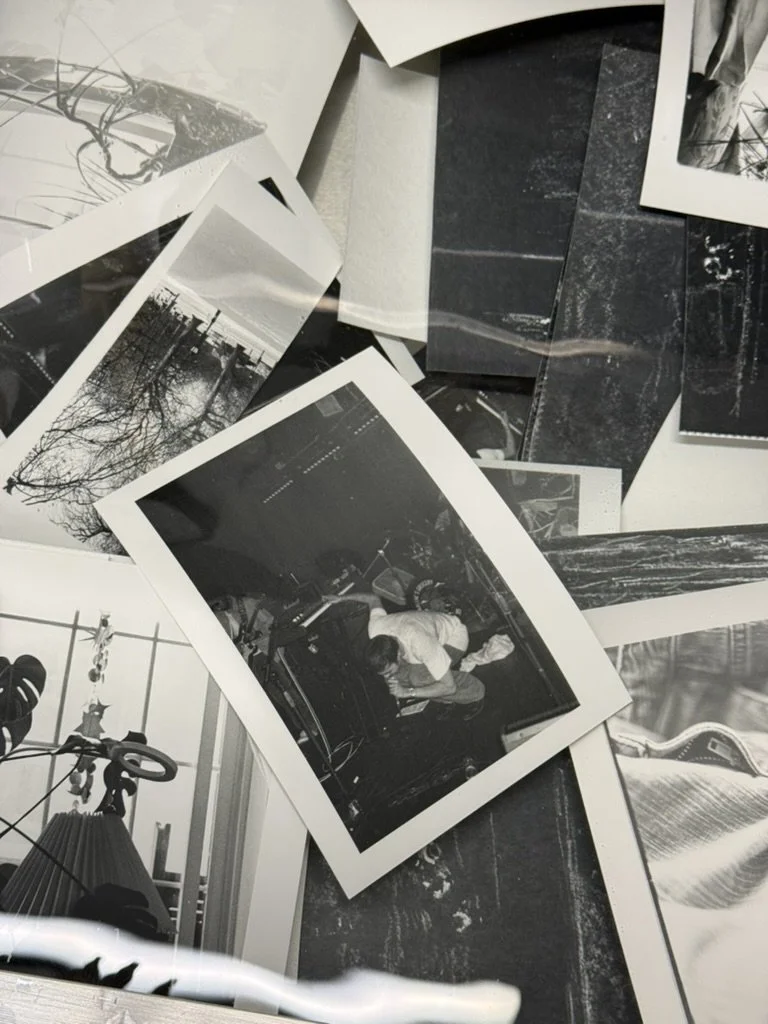
The final part of the Art History/Visual Arts major is the thesis. Rather than writing a thesis like Art History majors, senior Art History majors with a Visual Arts concentration research and create a visual thesis project in consultation with faculty members and peers in the Visual Arts department, allowing students to create a cohesive body of work. The thesis is very flexible, and students are able to choose what medium(s) they’d like to use. I know students who have chosen to do photography, painting, fashion design, and more! The two-semester Advanced Senior Studio sequence, BC3530 Advanced Senior Studio I (Fall) and BC3531 Advanced Senior Studio II (Spring), provides the opportunity for group critiques and guest artist lectures during the academic year. Majors also are expected to write a required seven-to-ten page paper alongside the project to serve as an artist’s statement. Finally, students present their visual art projects in two public group exhibitions planned at the end of the Fall and Spring semesters. I’d say the coolest part of the thesis is that all seniors receive their own, private studio space that they can access 24/7 to work on projects! The senior studios are actually located in a Barnard dorm, where they’ve turned an entire (quite large) suite into the studio space. All Visual Arts majors share it, but since the department is so small, everyone gets plenty of space. Students can use the space for whatever they wish, whether that’s setting up a huge canvas or just as storage for their supplies.
What classes have you taken? Are they mainly at Barnard or Columbia?
Most courses can be taken at either Barnard or Columbia and count for the Barnard AHIS/VA major, so I typically choose according to subject preference! Studios can also be at either Barnard or Columbia, but it’s important to note that some studio classes are only offered at one school, which might have some effect on where you’re taking most classes! For example, Intro to Darkroom Photography is only offered at Columbia, while Supervised Project Photography is a Barnard class. The special classes required for the major (such as Imagery & Form and Senior Studio) are only offered at Barnard. Generally, the classes take advantage of being in New York City and involve lots of field trips to museums and galleries (which have been some of my favorite class experiences)!
What are the classes like?
As an upperclassman, I’m pretty much done with my major aside from my senior thesis, so I’ve taken a wide variety of classes across both Barnard and Columbia! One Art History elective I particularly enjoyed was Intro History of Photography with Alexander Alberro. The class was particularly helpful to me as a photographer because it allowed me to gain a more academic and historical understanding of the medium, both as a science and as an art. There honestly aren’t a ton of photography classes in the Art History department, so this is a really unique course! Artists discussed included Warhol, Muybridge, Parks, Lange, Arbus, Evans, and more! I also took History Painting & Afterlives with Jonathan Crary at Columbia, where we learned all about the genre of history painting (essentially any painting that depicts some religious, literary, or historical event). As part of the course, we took a class trip to the MET with our amazing professor. The interaction with the city is honestly one of the best parts about studying the arts at Barnard. We spend class with artist guest lecturers, visit museums and galleries, and receive extensive opportunities when it comes to working in the arts!
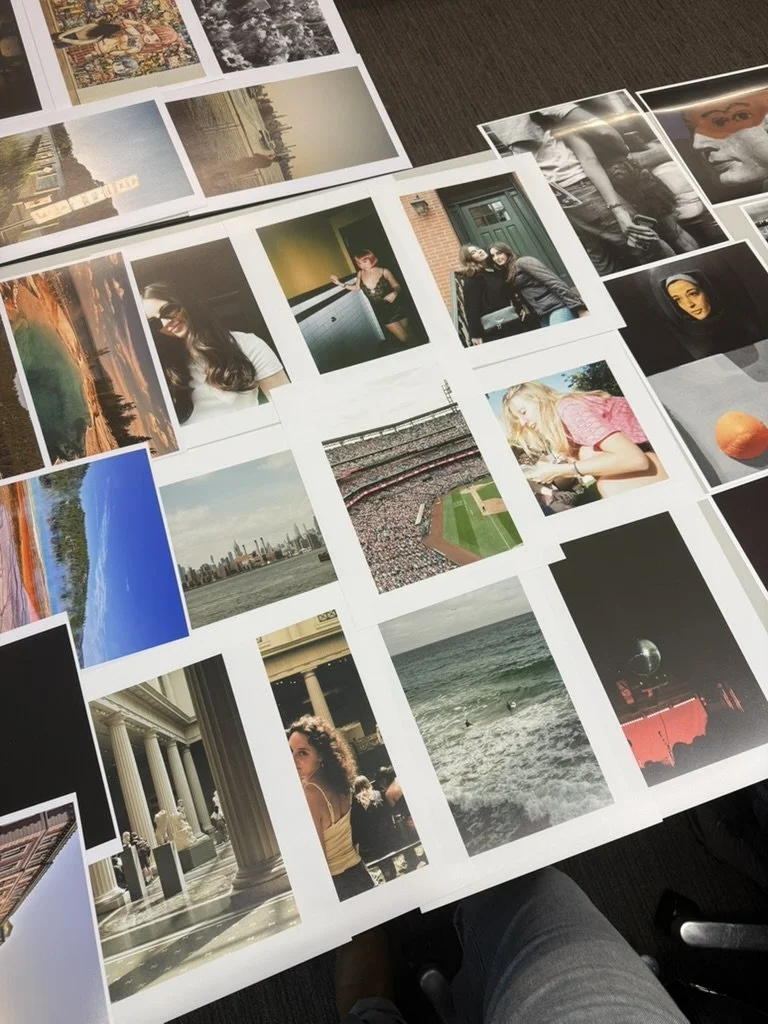
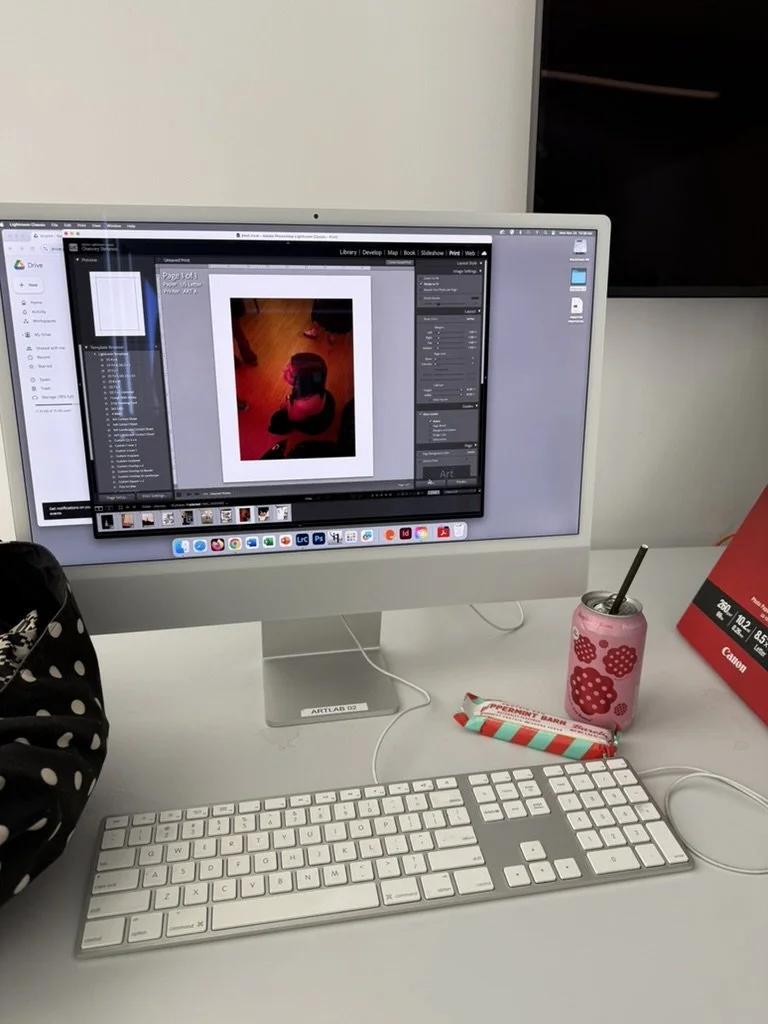
I’ve also taken quite a few studio courses. Supervised Project Photography with John Miller is a Barnard studio you can take up to three times! I’ve taken it twice because it lets me work on my practice more independently. Students choose a semester-long project they want to pursue, learn software like Adobe Lightroom Classic and Photoshop, and utilize the Digital Art Lab to make high-quality prints of their work for critiques and the end-of-semester art show. My favorite part of the class is that it requires 15 hours of class at the International Center of Photography in the Lower East Side, which has amazing facilities and faculty who offer a variety of classes to choose from! Intro Darkroom Photography with Kevin Claiborne was my first ever studio class, which I happened to take my first semester at Barnard! I was so intimidated because everyone in the class was so cool and talented, but I learned so much about film photography (which quickly became my niche) and made so many friends in the art community on campus.
What sorts of studio spaces do you have access to pre-Senior year?
Barnard has quite a few arts-oriented spaces! Some spaces are open to all students, like the Design Center and the Media Center resources (production lab, post-production lab, the equipment room), while some resources are specifically reserved for the Visual Arts department, like the Digital Media/Architecture lab, as well as some shared studio spaces in the Diana Center.
In Conclusion:
Through my major, I can positively say that I’ve not only improved as an artist and a photographer, but that I’ve been a part of a special community of creatives on campus.
It’s amazing to have the ability to study art in such an interdisciplinary way while taking advantage of all the arts opportunities NYC has to offer! All in all, I would totally recommend this unique combined major to anyone interested in studying the arts and developing their practice at a higher level while still taking advantage of the academic experience offered by attending a rigorous liberal arts institution like Barnard!